
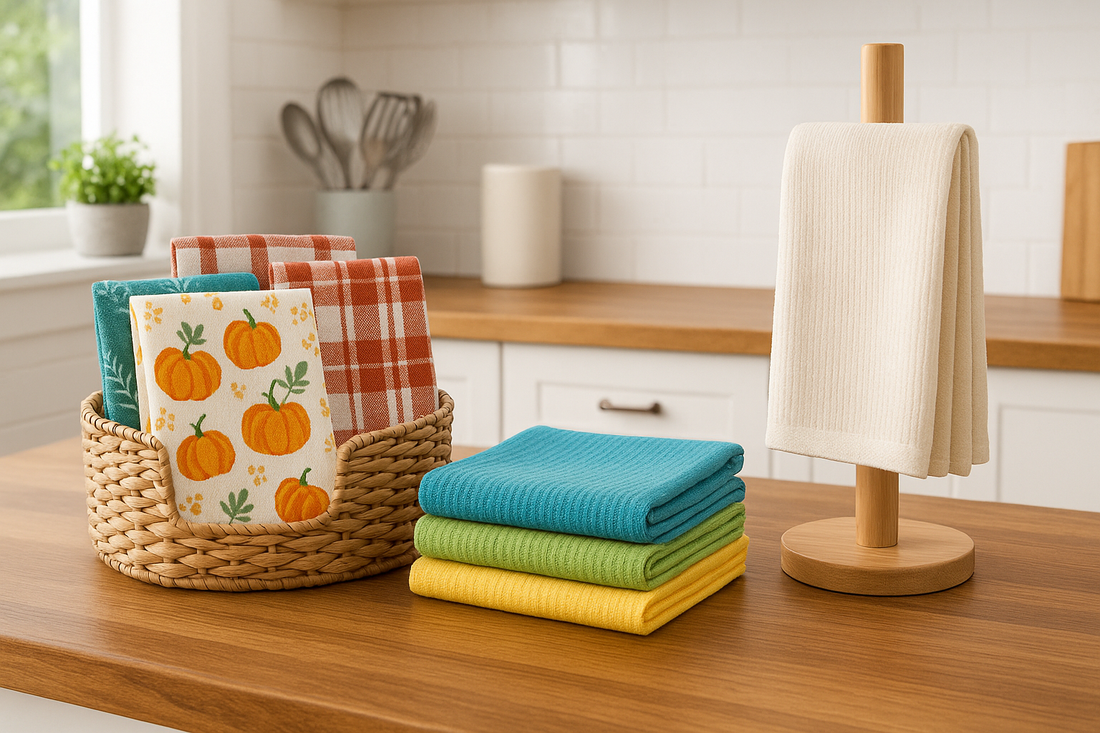
Essential Hand Towels for Your Kitchen: Benefits and Top Picks
Share
A small but essential detail, kitchen hand towels are both a practical tool and a design element. They serve multiple purposes, from drying fragile dishware and wiping up spills to enhancing the overall ambiance of your space. With the right choice of materials, colors, and care practices, these everyday items can contribute significantly to kitchen efficiency and elegance.
Whether you're focused on boosting functionality, promoting sustainable living, or achieving a polished look, your choice of kitchen hand towels matters. In the following sections, we’ll explore the many factors to consider when selecting the perfect towels, from material options and care tips to aesthetic versatility and eco-conscious alternatives.
Types of Kitchen Hand Towels
Kitchen hand towels are designed for various purposes, and selecting the right type ensures your kitchen remains orderly, clean, and visually appealing. Here are the most common types of towels, each tailored for specific tasks:
1. Dish Towels
Dish towels are perfect for drying dishes, glassware, and utensils. Their soft yet absorbent qualities—often made of cotton or microfiber—prevent scratches on delicate surfaces while effortlessly removing moisture. For homeowners who prioritize streak-free drying, lint-free options are an excellent choice, particularly for cleaning glass and stainless steel.
2. Tea Towels
Highly versatile, tea towels are made of linen or a cotton-linen blend and boast a smooth texture, ideal for polishing dishes and lining bread baskets. Their decorative appeal often comes from intricate patterns or seasonal designs, doubling as an accessory that complements kitchen decor while serving a practical purpose.
3. Utility Towels
When tackling heavy-duty messes like countertop spills or greasy surfaces, utility towels are the go-to option. Constructed with robust cotton blends or microfiber, they are incredibly durable, easily washable, and specifically designed to endure frequent use without compromising cleanliness or functionality.
4. Decorative Hand Towels
Decorative towels add charm and personality to your kitchen. Featuring bold colors, embroidery, or themed prints, they enhance decor without sacrificing light functionality. Use these towels sparingly for tasks requiring minimal cleaning to preserve their aesthetic qualities.
By combining multiple towel types, you ensure that every cleaning or decor need is met efficiently. With functionality covered, let’s now explore how hand towels can be used to elevate your kitchen’s aesthetic.
Enhancing Kitchen Aesthetics with Hand Towels
Beyond being practical, hand towels can serve as design elements that elevate your kitchen’s atmosphere. Carefully selected towels add charm, tie together your color scheme, and refresh your overall decor.
Coordinate With Your Color Scheme
The easiest way to integrate hand towels into your decor is by matching or complementing your kitchen’s color palette. For contemporary or neutral kitchens, consider subtle shades like cream, gray, or pastel hues, while bold or eclectic kitchens can benefit from vibrantly patterned towels. Meanwhile, textured options such as waffle weaves or fringes introduce depth without overwhelming the design.
Incorporate Seasonal Updates
Switching to seasonal hand towels is a simple yet impactful way to refresh your kitchen’s look. Options featuring motifs such as flowers for spring, pumpkins for autumn, or snowflakes for winter add thematic whimsy, keeping the decor exciting and dynamic throughout the year.
Pair With Other Accessories
For a cohesive design, match your hand towels with existing kitchen elements. A striped towel might echo the backsplash, while floral towels can complement potted plants on the counter. Thoughtful coordination elevates the overall aesthetics while maintaining practical use.
Once you’ve found the right look and function, it’s important to focus on quality materials that suit your needs. Let’s dive into how material selection plays a key role in overall performance.
Materials Used in Kitchen Hand Towels
The material of your hand towels determines their absorbency, softness, durability, and even environmental impact. Different fabrics cater to varying preferences and requirements in the kitchen.
1. Cotton Hand Towels
Known for their versatility and softness, cotton towels are a staple for many homes. High-quality cotton ensures superior absorbency and durability, making it suitable for everyday tasks like drying dishes or hands. Organic cotton is an excellent eco-friendly choice, reducing chemical exposure and benefiting both users and the environment.
2. Microfiber
Microfiber excels in absorbency and quick drying, proving ideal for wiping down surfaces, tackling spills, and scrubbing grease. While not as decorative as some other options, microfiber is unmatched for functionality and performance, particularly in high-traffic kitchens.
3. Bamboo and Bamboo-Cotton Blends
Eco-conscious and naturally antibacterial, bamboo-based towels are an excellent sustainable choice. Often blended with cotton for additional durability, they are soft, odor-resistant, and long-lasting without compromising on style or usability.
4. Linen
Favored for its elegant sheen and breathable texture, linen is ideal for delicate tasks like polishing glassware and covering baked goods. Although less absorbent than cotton, linen offers remarkable longevity and a sophisticated appearance that elevates kitchen decor.
Selecting the right material ensures your towels meet both functional and aesthetic goals. Once chosen, proper care will maximize their lifespan while preserving their utility.
Care and Maintenance of Kitchen Hand Towels
The performance and longevity of kitchen hand towels greatly depend on how they’re maintained. Follow these guidelines to keep your towels in prime condition:
1. Wash Regularly and With Care
To maintain hygiene, wash kitchen towels frequently, especially after use on greasy or messy surfaces. Avoid combining them with other laundry items to prevent cross-contamination. Use hot water for a deeper clean without compromising durability.
2. Avoid Fabric Softeners
Fabric softeners coat the towel’s fibers, reducing absorbency. Instead, replace softeners with natural alternatives like vinegar, which preserve softness while retaining their drying efficiency.
3. Air Dry or Use Low Heat
Air drying is ideal for prolonging the lifespan of kitchen towels. However, when machine drying is necessary, opt for a low-heat setting to prevent shrinkage and maintain fabric integrity.
4. Treat Stains Promptly
Address stains as soon as possible by applying baking soda paste or pre-wash treatments. Swift action prevents discoloration and maintains the towel’s visual appeal over time.
Well-maintained towels last longer and deliver consistent performance. For those looking to incorporate sustainability into their choices, the next section explores eco-friendly options.
Eco-Conscious Choices for a Sustainable Kitchen
Hand towels present an easy, practical way to support more sustainable living. By choosing planet-friendly materials and processes, you reduce waste and make more ethical kitchen decisions.
Choose Organic and Renewable Fabrics
Opt for organic cotton, bamboo, or linen, which are grown and manufactured with environmental sustainability in mind. These options avoid harsh chemicals, conserving resources and benefiting both people and the planet.
Focus on Reusable Towels
Switching from disposable paper towels to reusable kitchen hand towels significantly cuts down on waste. Durable materials designed to withstand multiple washes contribute to a greener lifestyle.
Support Ethical Manufacturers
Identify brands that uphold ethical sourcing and production standards. Certifications like GOTS (Global Organic Textile Standard) or OEKO-TEX demonstrate a commitment to environmentally responsible practices.
By opting for eco-conscious alternatives, you’ll benefit from high-quality towels while contributing positively to global sustainability efforts.
Kitchen hand towels blend practicality, aesthetics, and environmental stewardship. Whether drying dishes, polishing glassware, or enhancing decor, these versatile tools simplify everyday chores while elevating your culinary space. Choosing high-quality materials like durable cotton, eco-friendly bamboo, or elegant linen ensures optimal performance and style. Proper maintenance further boosts longevity, delivering value both in function and appearance.
Incorporating sustainable options reduces waste and enables eco-conscious living, making hand towels more than just a household necessity. With thoughtful selection and care, these small yet impactful details enrich your kitchen experience, turning a simple tool into a cornerstone of utility, design, and sustainability.
Key Takeaways
- Choose absorbent fabrics for superior functionality: Opt for materials like cotton or microfiber for excellent moisture absorption, ideal for drying hands, dishes, and glassware.
- Embrace eco-friendly materials for sustainability: Organic cotton, bamboo blends, or reusable towels minimize environmental impact while promoting planet-friendly living.
- Select the right size for practicality and style: Standard kitchen hand towels, typically measuring around 16x28 inches, balance functionality with a polished aesthetic.
- Prioritize durability for long-term value: Invest in durable fabrics like Egyptian cotton or bamboo blends that maintain performance through frequent laundering.
- Match towels to your kitchen decor: Choose colors, patterns, or textures that complement your kitchen’s theme for cohesive design and added charm.
- Follow proper care for extended lifespan: Wash regularly, skip fabric softeners, and air dry when possible to preserve towel absorbency and prevent wear.
Hand towels are an indispensable addition to any kitchen, seamlessly blending style, function, and sustainability. Below is everything you need to know to help you select and maintain the perfect options for your kitchen needs.